The Golden Era of Grid Girls: A Complete History
From the glamorous 1960s to the controversial 2018 ban, the story of Formula 1's grid girls is one of beauty, tradition and change...
Stories, history and glamour from the world of Formula 1 grid girls, paddock personalities and motorsport beauty
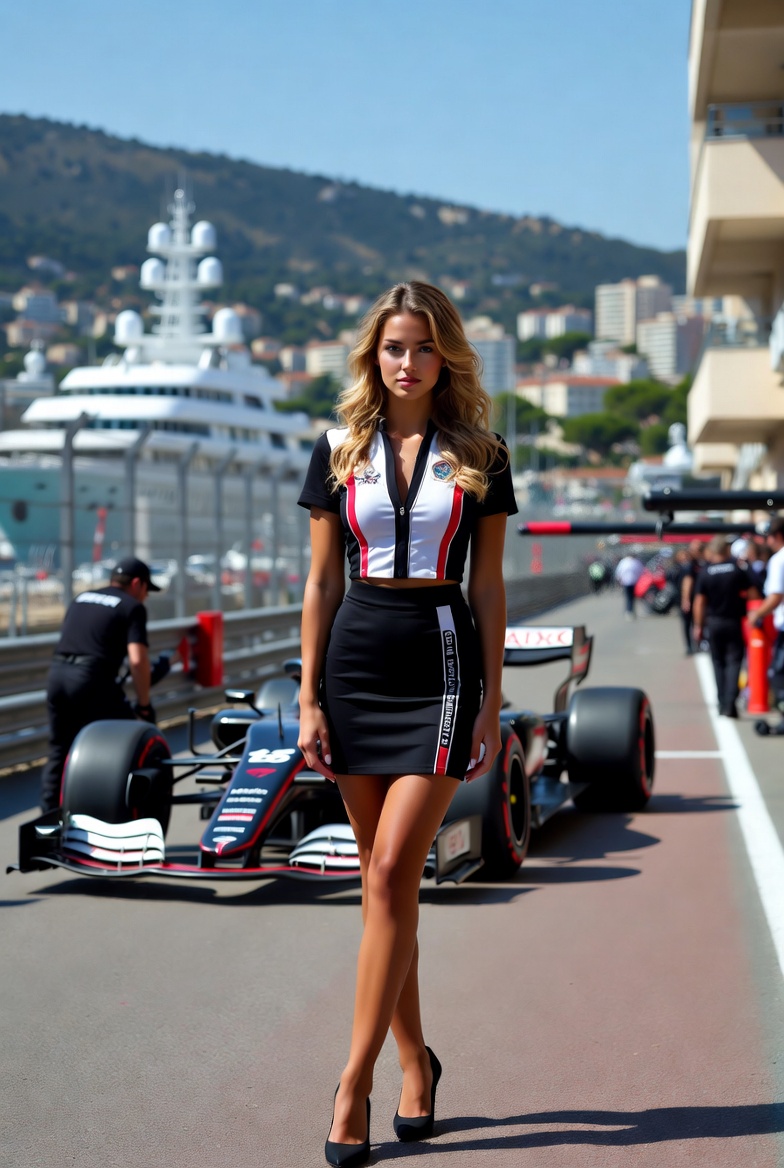
From the glamorous 1960s to the controversial 2018 ban, the story of Formula 1's grid girls is one of beauty, tradition and change...
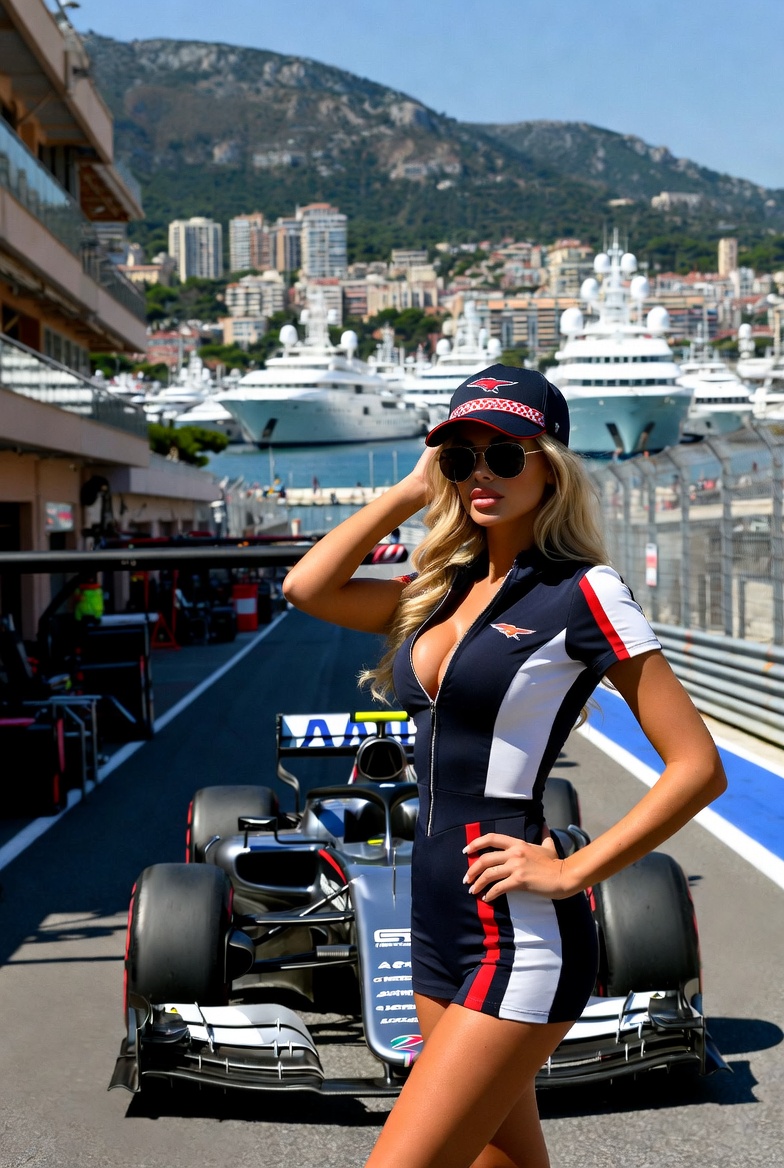
Several grid girls parlayed their trackside appearances into major modelling careers, TV presenting roles and business empires...
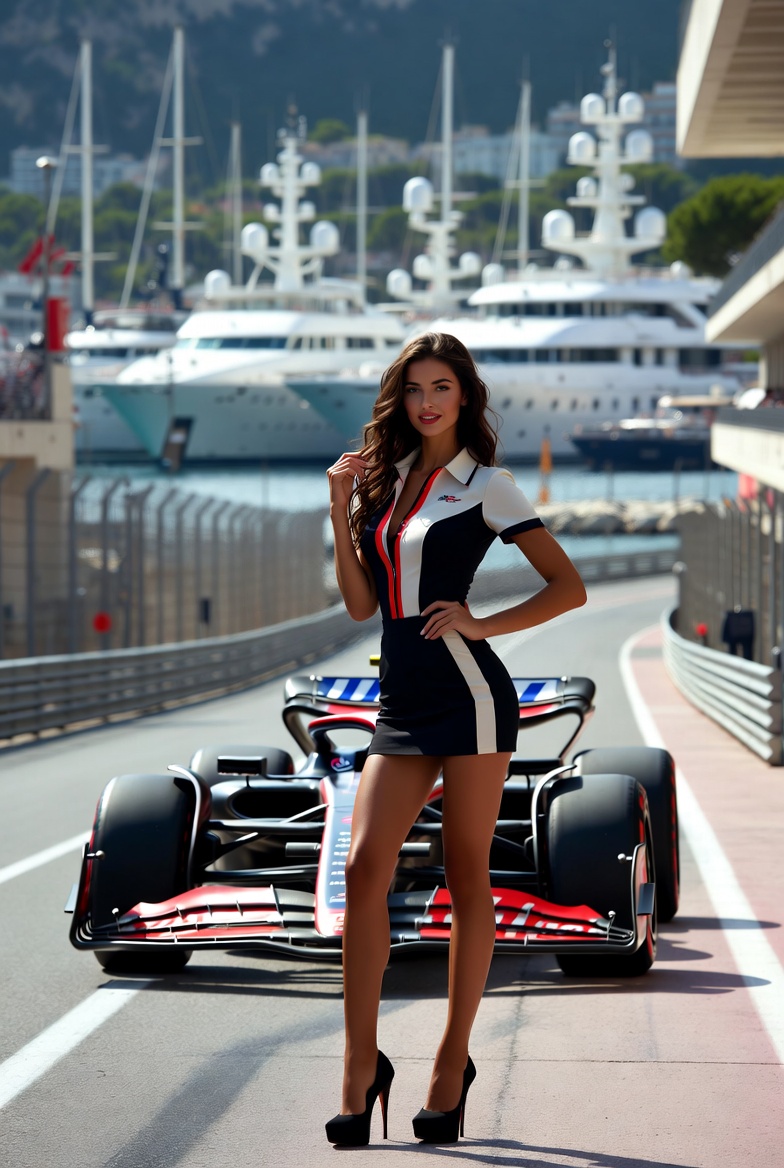
Yachts, champagne, celebrities and the most beautiful women in motorsport — Monaco is where F1 glamour reaches its peak...
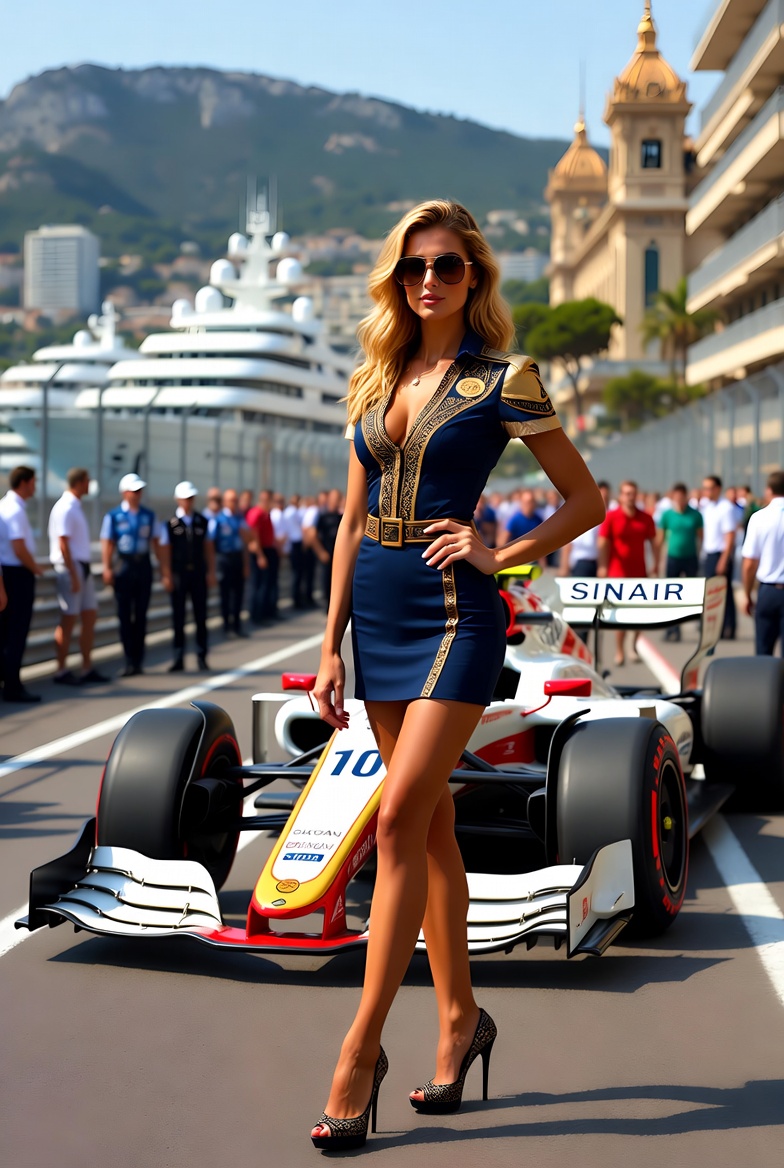
From team-branded bodysuits to designer outfits, the fashion of F1's paddock girls has always set trends. Here's the style evolution...
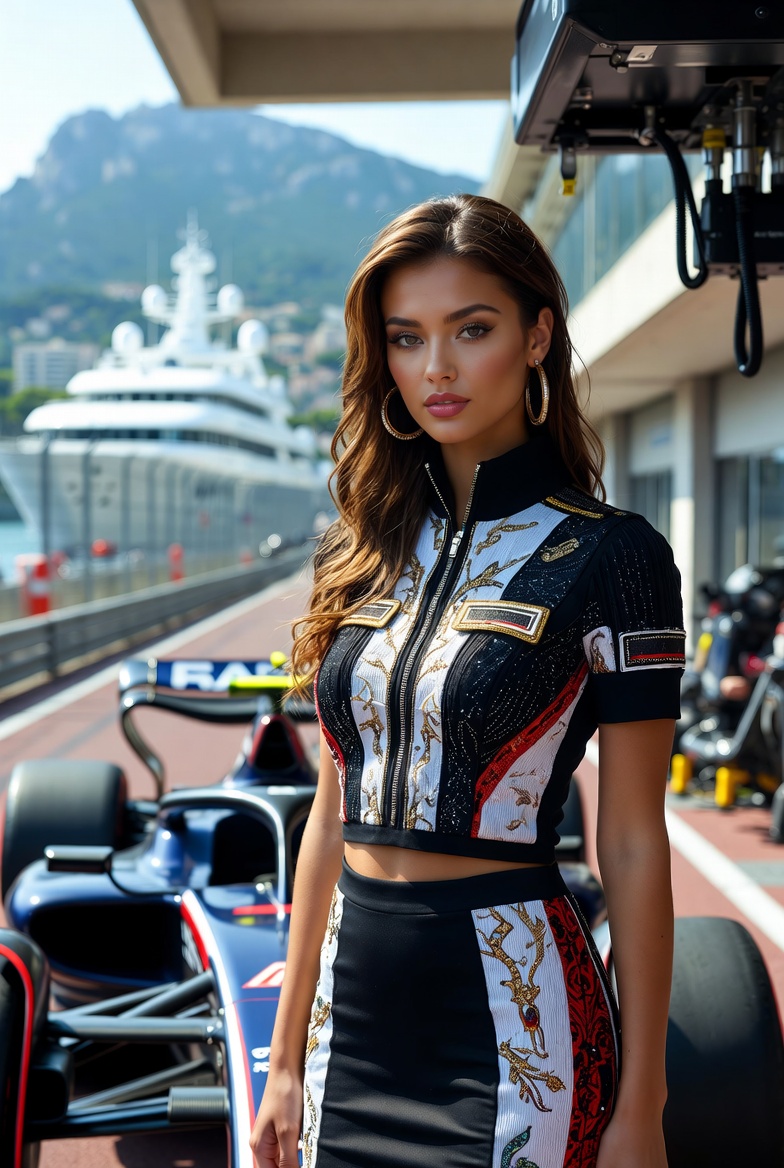
Japanese grid girls, Brazilian carnival queens, Abu Dhabi royalty — how different cultures bring their own flair to the starting grid...
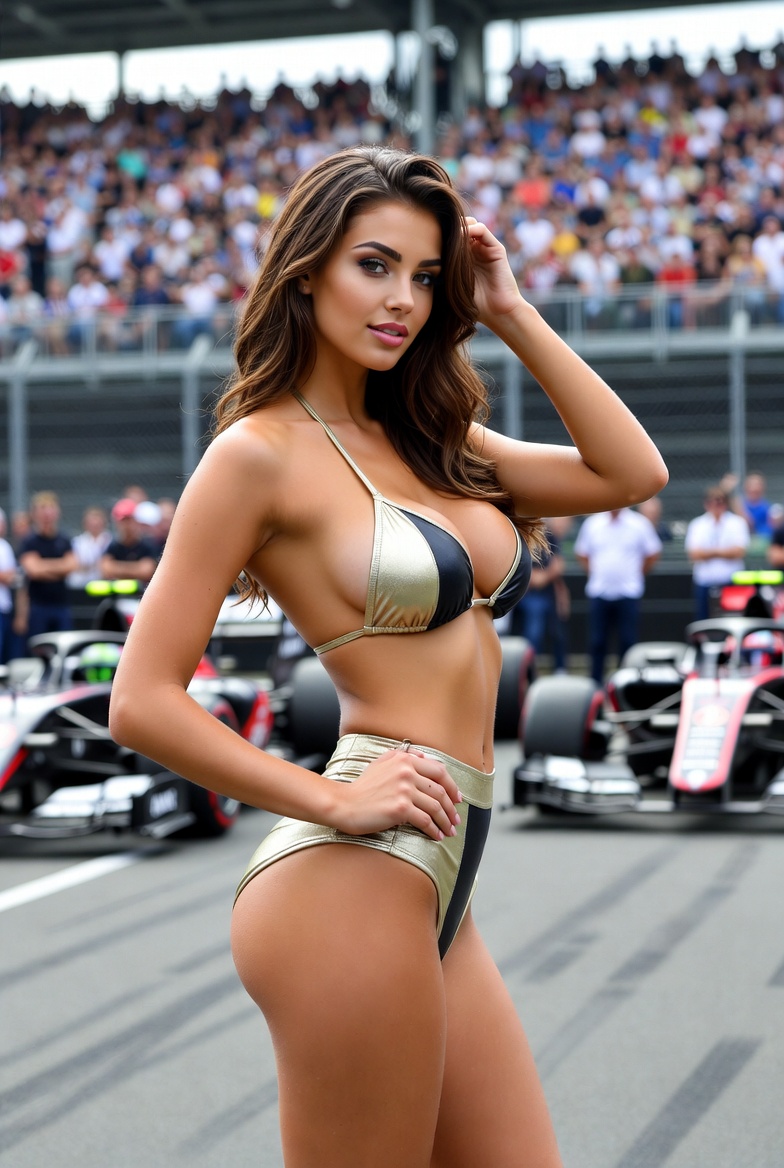
When Liberty Media axed grid girls in January 2018, the backlash was enormous. Many grid girls themselves spoke out against the decision...
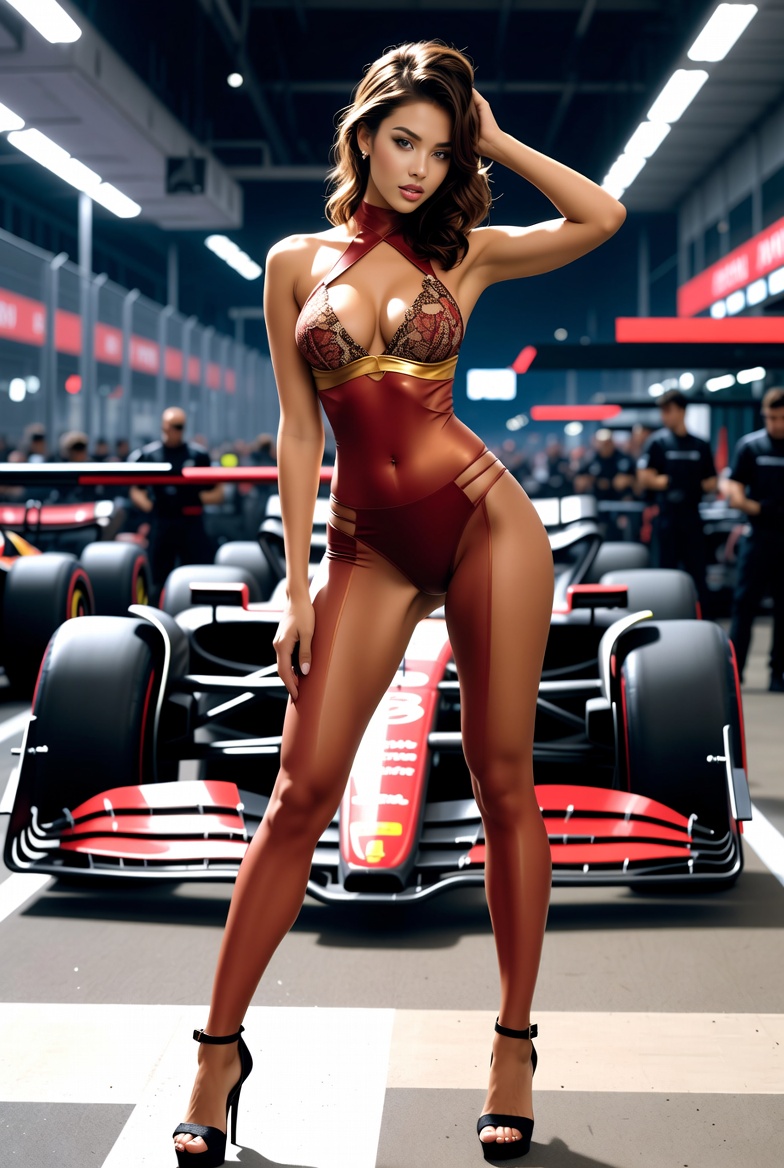
From supermodels to pop stars, the wives and girlfriends of F1 drivers bring their own brand of glamour to the paddock every race weekend...
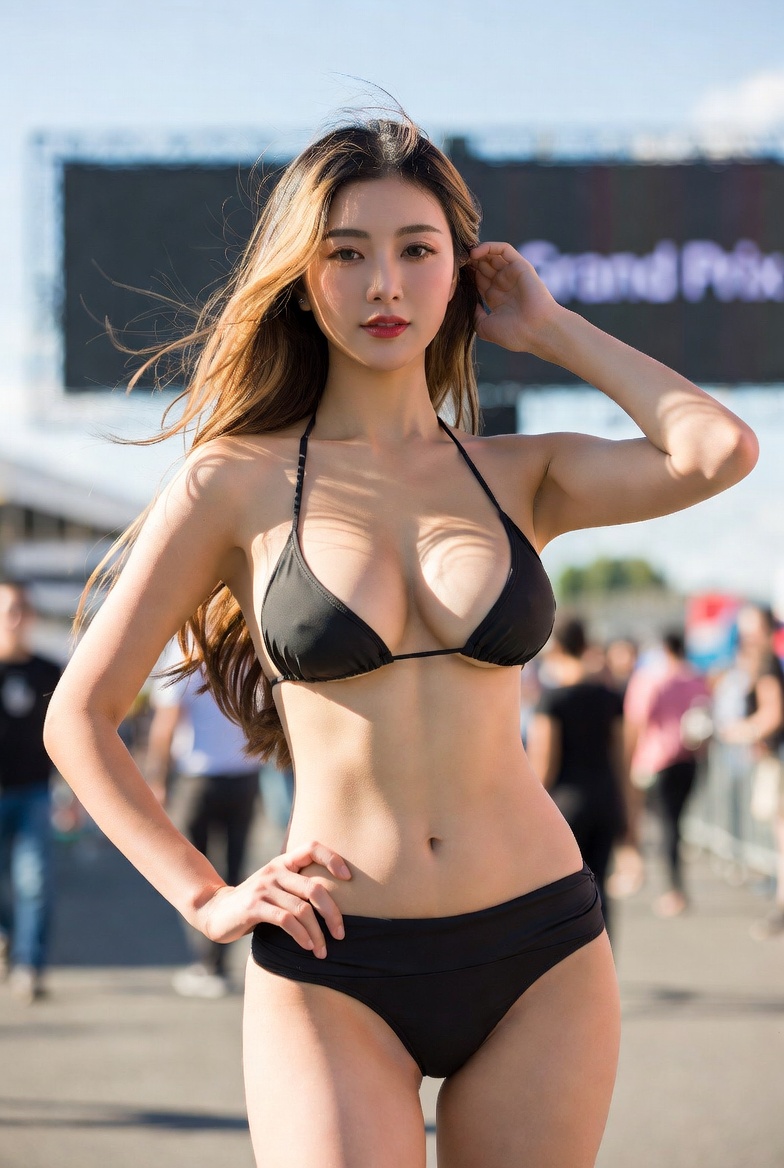
In Japan, grid girls became superstars. Race Queens have their own fan clubs, photo books, TV shows and a culture unlike anything in Western motorsport...
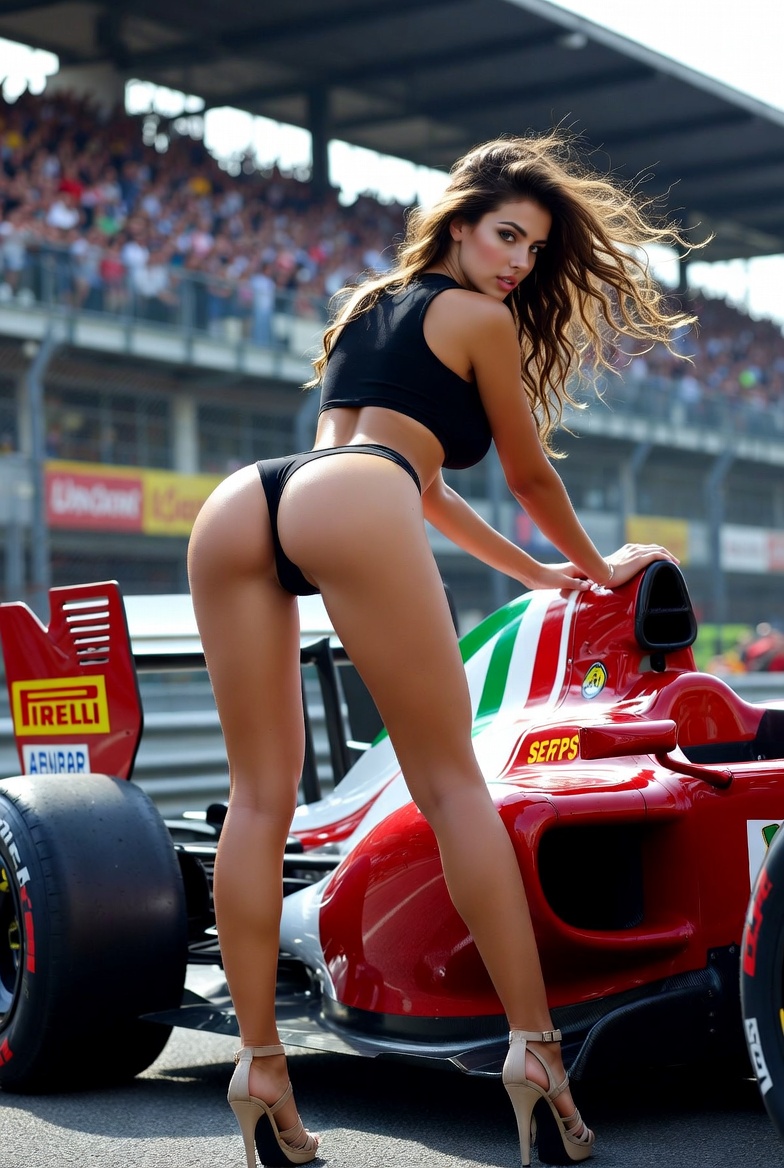
Standing for hours in heels on a scorching grid takes serious stamina. Here is how grid girls trained their bodies for the demands of race day...
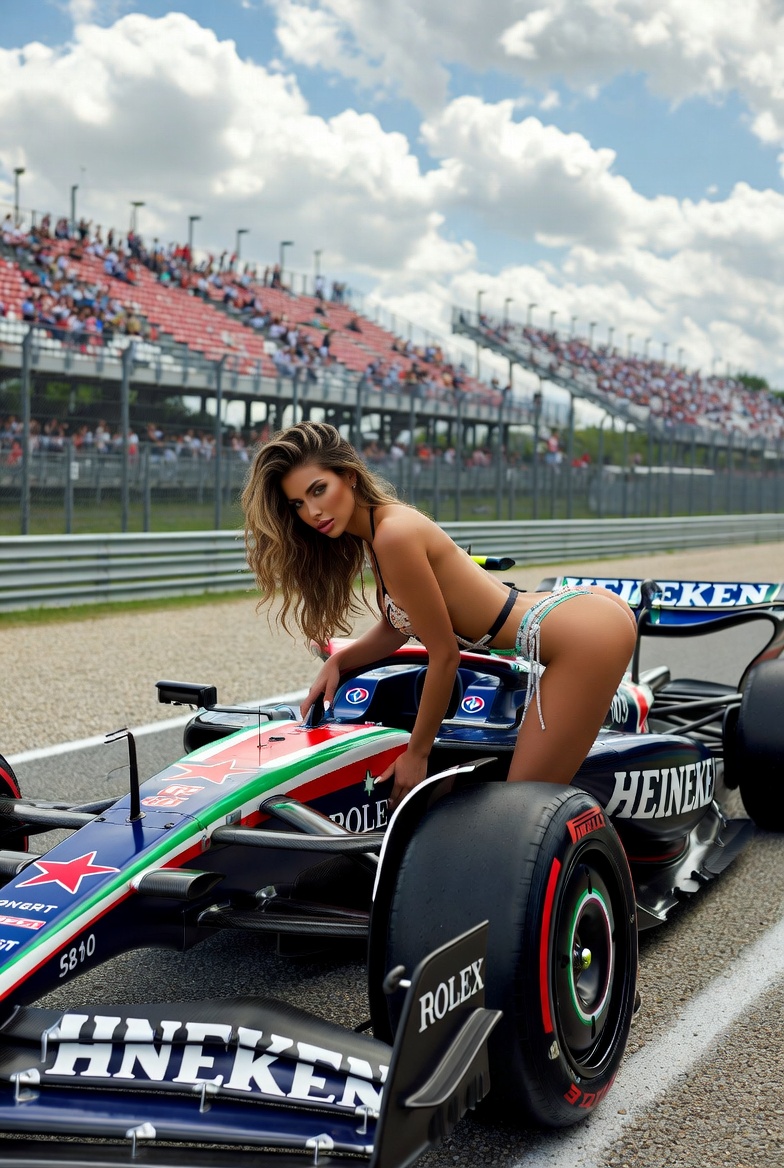
The 4am wake-up calls, the wardrobe fittings, the pre-race briefings and the post-race parties — what a typical Grand Prix weekend really looked like...
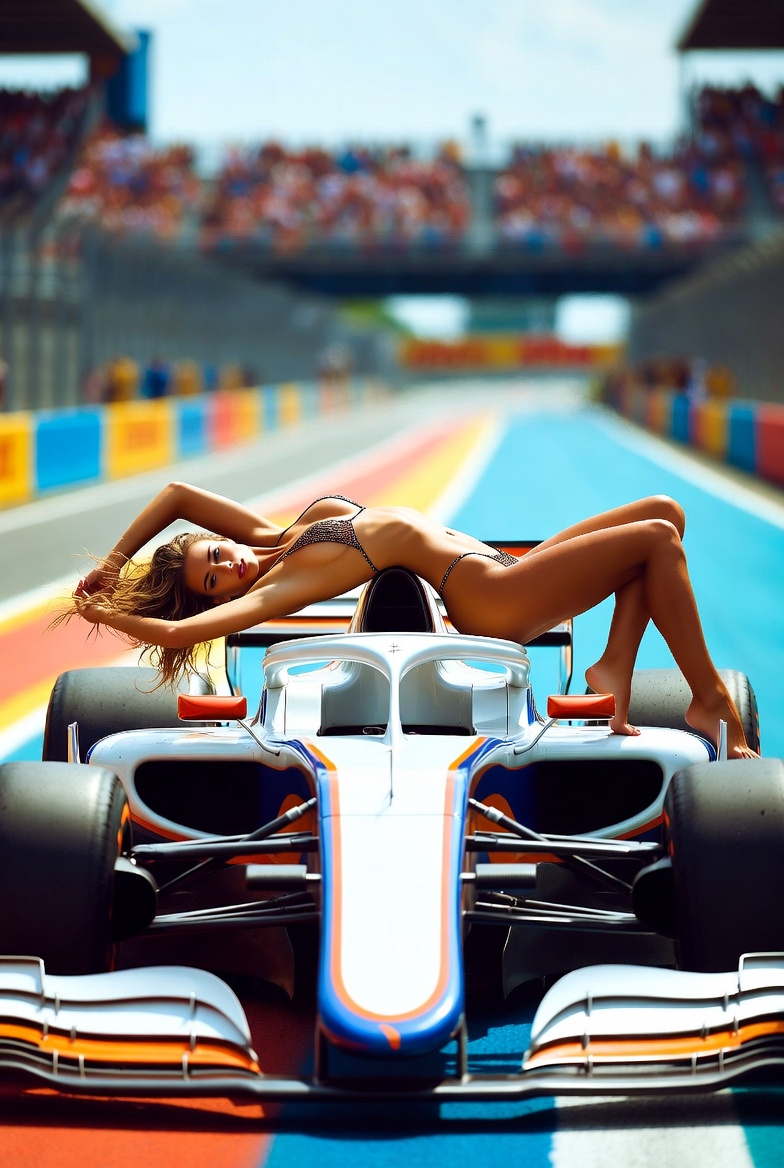
Seven years after the ban, the debate rages on. With new leadership, changing attitudes and growing nostalgia, could grid girls make a comeback?
The tradition of beautiful women gracing the starting grid of Formula 1 races stretches back to the very dawn of the championship. What began as an organic extension of motorsport glamour evolved into one of the most recognisable and iconic traditions in world sport.
In the early days of Formula 1, the paddock was a far more informal affair. Local beauty queens, models and enthusiastic fans would naturally gravitate towards the grid, often holding driver name boards or sheltering drivers from the sun with umbrellas. There were no contracts, no agencies — just genuine glamour meeting raw motorsport excitement.
As television coverage expanded throughout the 1960s, race organisers quickly recognised the visual appeal. The combination of powerful racing cars, daring drivers and beautiful women created an irresistible spectacle that drew millions of viewers worldwide.
The tobacco sponsorship era transformed grid girls from casual additions to professional brand ambassadors. Marlboro, John Player Special, and Camel invested heavily in creating coordinated looks for their grid girls, with custom-designed outfits that became as iconic as the cars themselves.
The JPS girls in their black and gold, the Marlboro girls in red and white — these women became inseparable from the brands they represented. Many were professional models who specifically sought out grid girl roles for the exposure and excitement.
"Being a grid girl in the 1980s was like being part of an exclusive club. You were right there in the middle of the action, standing next to Senna, Prost, Mansell. It was electrifying." — Former Marlboro grid girl
The 1990s represented the absolute peak of grid girl culture. With Formula 1's global audience exceeding 500 million viewers, the women on the grid became celebrities in their own right. Agencies specialised in placing models at Grand Prix events, and competition for positions was fierce.
Each Grand Prix had its own character — the Monaco grid girls were draped in designer fashion, the Brazilian girls brought carnival flair, and the Japanese events featured some of the most elaborately styled grid presentations in F1 history.
As F1 entered the 21st century, grid girl roles became increasingly professional. Women were selected through competitive auditions, received media training, and were paid competitive rates. Many used the platform to launch successful careers in modelling, television and business.
However, changing attitudes towards the objectification of women began to create tension. While many grid girls passionately defended their roles, campaigns to end the tradition gained momentum throughout the 2010s.
On 31 January 2018, new F1 owners Liberty Media announced that grid girls would no longer feature at races. The decision was met with fierce debate. Many grid girls publicly criticised the move, arguing it took away their choice and livelihood.
Formula 1 replaced grid girls with "grid kids" — young motorsport fans who would stand on the grid before races. While the initiative was well-received, many fans still miss the glamour and spectacle that grid girls brought to race day.
While grid girls may have disappeared from Formula 1, the tradition continues in other motorsport series including MotoGP, World Superbikes, and various national racing championships. The glamour, beauty and excitement that grid girls brought to motorsport for over five decades will never be forgotten.
Here at Grand Prix Girls, we celebrate that legacy — preserving the beauty and spectacle of motorsport's most glamorous era.
The grid of a Formula 1 race has launched more modelling and media careers than almost any other platform in sport. Here are ten women whose grid girl beginnings led to extraordinary success.
Several of the world's biggest supermodels first caught the public eye on the F1 grid. The combination of global television exposure, association with luxury brands, and the sheer glamour of the paddock environment proved to be the perfect launchpad for ambitious young models.
The confidence, media awareness and charisma required for grid girl roles translated perfectly into television presenting. Multiple former grid girls went on to present motorsport coverage, entertainment shows and lifestyle programmes across Europe, Asia and the Americas.
The fashion connections made in the F1 paddock — rubbing shoulders with designers, brand executives and style influencers — inspired several grid girls to launch their own fashion lines. From swimwear to activewear, these business-savvy women leveraged their brand recognition into profitable enterprises.
When Instagram launched in 2010, former grid girls were among the first to build massive followings. Their combination of beauty, glamour and genuine motorsport knowledge created content that attracted millions of followers, leading to lucrative influencer careers.
Perhaps the most interesting career transition has been grid girls who became respected motorsport journalists. Having stood on the grid next to world champions, they brought a unique insider perspective that audiences loved.
"People assumed we were just there to look pretty. But you can't spend years in the F1 paddock without developing a deep understanding of the sport. We knew the cars, the drivers, the politics — everything." — Former grid girl turned Sky Sports presenter
The grid girl platform proved that beauty and brains aren't mutually exclusive. These women used their intelligence, ambition and connections to build careers that extended far beyond the starting grid.
Every May, the tiny principality of Monaco transforms into the epicentre of global glamour. The Monaco Grand Prix isn't just a race — it's the ultimate lifestyle event, where the worlds of motorsport, fashion, celebrity and luxury collide in spectacular fashion.
Nothing says Monaco quite like the harbour. Megayachts worth hundreds of millions line up like expensive toys, their decks packed with celebrities, billionaires and the most beautiful people on the planet. The grid girls of Monaco were always a cut above — often international supermodels rather than promotional models, dressed in haute couture rather than team uniforms.
The Monaco Grand Prix party circuit is legendary. From the Amber Lounge Fashion Show to the exclusive Yacht Club parties, the social calendar surrounding the race is as competitive as the racing itself. Grid girls and models were the centre of attention at these events, moving seamlessly between champagne receptions and dancefloors until dawn.
Monaco sets the standard for paddock fashion. While other races might see jeans and team polo shirts, Monaco demands designer everything. The women of the Monaco paddock — grid girls, WAGs, socialites and celebrities alike — treat race weekend as a four-day fashion show, with outfits from Chanel, Versace, Dolce & Gabbana and Dior.
After the chequered flag falls, the Casino de Monte-Carlo becomes the gathering point for F1's elite. Drivers, team principals, sponsors and their entourages fill the famous gaming rooms, with beautiful women adding to the James Bond atmosphere that pervades every corner of Monaco.
"Monaco is the one weekend where absolutely everything comes together — speed, danger, beauty, money, fashion, celebrities. There's nothing else like it in the world." — Former Monaco Grand Prix organiser
The Monaco Grand Prix remains the crown jewel of Formula 1, and its tradition of unmatched glamour continues to this day.
The evolution of grid girl fashion mirrors the transformation of Formula 1 itself — from grassroots motorsport to the billion-dollar global spectacle we know today.
In the 1960s, grid girls typically wore summer dresses, headscarves and sunglasses — the casual elegance of the era. There was no uniform, no brand coordination — just naturally stylish women who happened to love motor racing.
Once tobacco companies dominated F1 sponsorship, grid girl outfits became highly coordinated brand exercises. The iconic Marlboro red and white, the sleek JPS black and gold, the vibrant Benetton colours — each team's grid girls were dressed to match their cars perfectly.
These outfits ranged from elegant dresses to racing-inspired jumpsuits, always designed to be eye-catching on camera while remaining practical enough for standing on a sun-baked grid for hours.
In the 2000s and 2010s, grid girl fashion became increasingly sophisticated. Top designers were commissioned to create bespoke outfits, and the gap between grid girl fashion and runway fashion narrowed dramatically.
Some memorable looks included metallic bodysuits at the Abu Dhabi Grand Prix, elegant evening gowns at Monaco, and bold geometric prints at the Japanese Grand Prix.
Off-duty grid girl fashion became a style category of its own. The combination of fitness-focused bodies, access to designer clothing and a naturally glamorous lifestyle created a distinctive aesthetic that influenced fashion trends worldwide.
One of the most fascinating aspects of the grid girl tradition was how different cultures put their own stamp on it. Each Grand Prix reflected its host country's unique beauty standards, fashion traditions and cultural values.
Japanese grid girls — known as "Race Queens" — developed a culture entirely their own. With elaborate hairstyles, anime-inspired makeup and some of the most creative outfits in motorsport, Race Queens became celebrities in their own right, with dedicated fan followings, photo books and television appearances.
Brazilian Grand Prix grid girls brought the energy and colour of carnival to Interlagos. Bold colours, tropical prints, feathered accessories and an infectious sense of fun made the Brazilian round one of the most visually spectacular on the calendar.
At Monza, grid girls embodied the Italian concept of "la bella figura" — the art of making a beautiful impression. Elegant, sophisticated and effortlessly stylish, Italian grid girls were the epitome of Mediterranean glamour.
The Abu Dhabi Grand Prix, held under the floodlights of the stunning Yas Marina circuit, featured grid girls in outfits that blended Middle Eastern elegance with modern glamour. Gold accents, flowing fabrics and a sense of opulent luxury characterised the Emirati approach.
Monaco remains the benchmark for grid girl glamour. With the Mediterranean as backdrop and the world's wealthiest as audience, Monaco grid girls were always the crème de la crème — international supermodels dressed in the finest designer fashion.
The season-opening Australian Grand Prix in Melbourne brought a distinctly Antipodean flavour. Tanned, athletic and with a laid-back confidence, Australian grid girls perfectly captured the country's outdoor lifestyle culture.
On 31 January 2018, Formula 1's new American owners Liberty Media issued a statement that would ignite one of the fiercest debates in the sport's history: grid girls would no longer appear at Formula 1 races.
Liberty Media's statement read: "While the practice of employing grid girls has been a staple of Formula 1 Grands Prix for decades, we feel this custom does not resonate with our brand values and clearly is at odds with modern day societal norms."
The decision was part of Liberty Media's broader strategy to modernise F1's image and attract a younger, more diverse global audience.
The reaction was immediate and fierce. Many grid girls themselves were the loudest critics of the ban, arguing that the decision was patronising and took away their freedom of choice.
"I'm furious. I loved my job. I'm a feminist and this decision is the opposite of feminism — it's telling women what they can and can't do with their own bodies and careers." — Former F1 grid girl, speaking to The Telegraph
Fans were equally divided. Social media erupted with debates about tradition versus progress, empowerment versus objectification, and whether unilateral corporate decisions should override personal choice.
F1 replaced grid girls with "grid kids" — young motorsport enthusiasts who would hold driver boards and stand on the grid before races. The initiative was genuinely heartwarming, giving children once-in-a-lifetime experiences alongside their heroes.
However, critics argued this was a false equivalence — the two traditions served entirely different purposes and there was no reason both couldn't coexist.
F1's ban had ripple effects across motorsport, but not all series followed suit. MotoGP, World Superbikes, DTM and many national championships retained their grid girl traditions, arguing that the women involved were valued professionals who chose their careers freely.
The debate continues. While Formula 1 shows no signs of reversing the ban, the tradition lives on in other series and in the memories of millions of fans who grew up watching the spectacle of beautiful women on the starting grid.
At Grand Prix Girls, we believe in celebrating beauty, glamour and the traditions that made Formula 1 the greatest show on earth. Our AI Model Chat Lounge keeps the spirit alive — where fans can chat with stunning AI models who embody the personality and charm of motorsport's most glamorous era.
While grid girls brought professional glamour to the starting grid, the wives and girlfriends of F1 drivers created their own parallel world of style, beauty and celebrity. The paddock has always been a magnet for some of the most beautiful women on the planet.
Formula 1 drivers have long attracted partners from the worlds of fashion and entertainment. The combination of wealth, fame, danger and physical fitness makes racing drivers irresistible to supermodels. The paddock on a Sunday afternoon often resembled a fashion show, with WAGs competing to outshine each other in designer outfits.
Being an F1 WAG means travelling to 23 countries a year, attending exclusive parties, rubbing shoulders with royalty and celebrities, and living a lifestyle most people can only dream about. But it also means long separations, constant travel and the ever-present danger that comes with loving someone who drives at 200mph for a living.
Many F1 WAGs have built impressive careers in their own right. From fashion lines to fitness empires, television presenting to philanthropy, these women are far more than accessories to their famous partners. They bring their own talent, ambition and star power to the paddock.
"People see the glamour but they do not see the sacrifice. You are essentially a single parent for eight months of the year, living out of suitcases, constantly in the public eye. It takes a very strong woman to thrive in this world." — Former F1 driver wife
Social media transformed F1 WAGs from background figures into influencers with millions of followers. Their paddock outfits, travel photos and lifestyle content generate enormous engagement, making them valuable brand ambassadors in their own right. Some F1 WAGs now have larger social media followings than the drivers themselves.
The glamour of F1 extends far beyond the grid — and the women who love racing drivers are every bit as fascinating as the sport itself.
While the Western world debated grid girls, Japan quietly built the most elaborate, dedicated and celebrated grid girl culture on earth. Japanese Race Queens are not merely promotional models — they are celebrities, entertainers and cultural icons.
The Race Queen phenomenon began in the 1980s when Japanese motorsport was booming. Unlike Western grid girls who typically worked individual races, Japanese Race Queens were contracted for entire seasons, becoming closely associated with their sponsoring teams and brands.
Race Queens in Japan occupy a unique cultural space somewhere between idol singers, fashion models and sports personalities. They have dedicated fan followings who attend every race, collect photo books and merchandise, and follow their careers with the same passion Western fans reserve for pop stars.
The costumes are spectacular — far more elaborate than anything seen in Western motorsport. Combining elements of cosplay, haute couture and traditional Japanese aesthetics, Race Queen outfits are works of art in themselves, often costing thousands of pounds to produce.
For many young Japanese women, becoming a Race Queen is a serious career goal. The role serves as a launchpad into modelling, acting, television presenting and the entertainment industry. Some of Japan is biggest entertainment stars began their careers as Race Queens.
"In Japan, being a Race Queen is a respected profession. Girls train for it, study for it, compete for positions. It is taken very seriously — both by the women and by the fans." — Japanese motorsport journalist
Japanese Race Queen fans are extraordinarily dedicated. Professional photographers specialise exclusively in Race Queen photography, producing stunning images that are collected and traded. Fan events, handshake sessions and photo opportunities draw thousands of attendees.
While F1 banned grid girls in 2018, Japanese motorsport has shown no inclination to follow suit. The Super GT series, Super Formula and other Japanese championships continue to celebrate Race Queens as an integral part of the motorsport experience. The tradition remains as vibrant and popular as ever.
Being an F1 grid girl was far more physically demanding than most people realise. Standing for hours in high heels on scorching tarmac, in direct sunlight, while maintaining perfect poise and a camera-ready smile requires serious physical preparation.
A typical Grand Prix weekend might require a grid girl to be on her feet for 8-10 hours per day. In venues like Bahrain, Malaysia and Abu Dhabi, temperatures on the grid can exceed 50 degrees celsius. Dehydration, heat exhaustion and blistered feet were constant risks.
Professional grid girls followed structured fitness programmes designed to build endurance, core strength and leg stamina. Typical training included pilates for core stability, yoga for flexibility and posture, HIIT training for cardiovascular fitness, and specific heel-walking exercises to build ankle strength.
Race weekend nutrition was carefully planned. Grid girls typically ate high-protein, low-sugar meals in the days before a race, stayed meticulously hydrated and avoided alcohol. Many carried electrolyte supplements and energy snacks hidden in their outfits for emergencies.
"People think we just turned up and looked pretty. The reality is I trained like an athlete. Try standing in stilettos for six hours on 60-degree asphalt and tell me that is not a physical challenge." — Former Red Bull grid girl
Maintaining flawless skin and makeup in extreme heat required professional-grade products and techniques. Grid girls became experts in heat-proof makeup, using primers, setting sprays and products designed for film and television that could withstand hours of harsh conditions.
The sun protection regime alone was complex — high-SPF products that would not affect makeup, combined with strategic shade-seeking between on-camera moments. Many grid girls credit their careers with teaching them skincare habits that benefit them to this day.
The cameras capture the glamour, but what really happens behind the scenes of a Formula 1 Grand Prix weekend? Here is the reality of life as a grid girl, from the early morning preparations to the post-race celebrations.
Grid girls typically arrived at the circuit on Friday morning for costume fittings and briefings. Each woman was measured, fitted and photographed in her outfit, with alterations made on the spot by on-site tailors. The briefing covered positioning, behaviour protocols, media guidelines and emergency procedures.
Saturday was often busier than race day itself. Grid girls were required for sponsor events, fan meet-and-greets, hospitality appearances and qualifying build-up coverage. The day might start at 7am and not finish until 10pm, with constant changes between outfits for different events.
The main event. Grid girls were typically required at the circuit by 8am for hair, makeup and final preparations. The grid walk — that iconic 20 minutes before the race when the grid fills with drivers, mechanics, celebrities and grid girls — was the culmination of the entire weekend.
Standing beside the car of a world champion, holding his name board, with 100,000 spectators and half a billion television viewers watching — that was the moment every grid girl worked towards.
"The grid walk was pure adrenaline. You could feel the engines vibrating through your entire body, the crowd noise was deafening, and you knew the whole world was watching. Nothing compares to that feeling." — Former Ferrari grid girl
Once the lights went out and the cars screamed away, grid girls had a brief rest before the post-race duties began. Podium ceremonies, sponsor receptions and hospitality events continued well into the evening. The lucky ones were invited to the team celebrations — some of the most exclusive parties in sport.
One aspect rarely discussed is the strong bonds formed between grid girls. Travelling the world together, sharing the unique pressures and experiences of F1 life, created lifelong friendships. Many former grid girls remain close friends decades after their racing careers ended.
It has been over eight years since Liberty Media banned grid girls from Formula 1. In that time, the debate has never truly gone away. As attitudes shift and nostalgia grows, the question keeps being asked: could grid girls ever return?
Supporters of bringing back grid girls point to several arguments. The women involved were professionals who chose their careers freely. Many grid girls have publicly said they loved their jobs and were angry at having their livelihoods taken away by a corporate decision made without consulting them.
There is also the cultural argument. Other motorsport series — MotoGP, WSBK, DTM — continue to use grid girls without controversy. In Japan, Race Queens are more popular than ever. The idea that grid girls are inherently problematic is a specifically Western, specifically F1 viewpoint.
Those who support the ban argue that F1 has successfully modernised its image. The sport has attracted a younger, more diverse audience since 2018, partly through initiatives like Drive to Survive. Bringing back grid girls, they argue, would risk alienating this new fanbase.
There is also the practical argument that the grid kids initiative has been a genuine success, giving young motorsport fans experiences that inspire the next generation of drivers, engineers and fans.
Some have suggested a compromise — grid girls could return in a modernised form, perhaps as brand ambassadors with a more substantive role that goes beyond holding name boards. Others have suggested that individual race promoters should be free to choose, reflecting local cultural norms.
"The world has moved on in some ways, but nostalgia is a powerful force. I think we will see grid girls return in some form — perhaps not identical to what we had before, but the glamour and spectacle will come back. F1 needs it." — Former F1 team marketing director
Fan polls consistently show strong support for bringing back grid girls, particularly among long-time F1 fans. However, newer fans who discovered the sport through Netflix and social media are more divided on the issue.
Formula 1 under its current leadership shows no signs of reversing the ban. But in motorsport, as in life, nothing is permanent. As leadership changes, cultural attitudes evolve and commercial pressures shift, the door remains open for the return of one of the sport is most iconic traditions.
Until then, the spirit of the grid girl lives on — in other racing series, in the memories of millions of fans, and right here at Grand Prix Girls, where our AI Model Chat Lounge keeps the glamour alive.